

The Role of Luck in Gambling
Luck is a quintessential aspect of gambling, serving as a double-edged sword for those who engage in games of chance. While skill and strategy contribute significantly to a player’s success, it is often luck that ultimately determines the outcome of a game. In poker, for example, a player may employ advanced tactics and strategies to outsmart opponents, but even the most skilled player can be outmatched by an unexpectedly lucky hand. Additionally, many players enjoy the excitement of online platforms like 1win that offer various games, where this unpredictability can heighten the thrill of the game, as each roll of the dice or flip of a card might lead to fortunes changing in an instant.
Moreover, the concept of luck is deeply embedded in the psychology of gambling. Many players believe that luck can be influenced by various factors such as superstitions, rituals, or even the ambiance of the gambling environment. For instance, some players wear lucky clothing or carry talismans, believing these items can sway fortune in their favor. These beliefs, whether founded in reality or not, add an additional layer of complexity to how luck influences decisions and behaviors in gambling.
Ultimately, while it is acknowledged that luck plays a significant role in gambling, it is essential to understand that it cannot be controlled or reliably predicted. This reality makes the gambling experience both fascinating and frustrating for players. The unpredictable nature of luck keeps players coming back for more, as they chase that elusive winning streak that often relies on chance rather than skill alone.
Luck vs. Skill: Finding the Balance
The balance between luck and skill is a critical debate in the gambling world. In games like blackjack and poker, players who develop their skills and strategies often see better results over time. This is because these games allow for some degree of decision-making, where players can influence the odds through their choices. However, even the most talented players cannot escape the whims of luck. A well-timed bad beat can leave a skilled player empty-handed, illustrating that luck is an unavoidable factor.
In contrast, games of pure chance, such as slots and roulette, place the emphasis almost entirely on luck. In these instances, players have no control over the outcome, simplifying the gambling experience but also amplifying the randomness. Players in these games may experience significant wins or losses based purely on luck, affirming the role it plays in determining success. Therefore, understanding the nature of the game is crucial in managing expectations regarding luck and skill.

Finding the right balance between relying on luck and cultivating skill is crucial for those seeking long-term success in gambling. Players who recognize the importance of both elements may employ strategies that enhance their gameplay while still respecting the unpredictable nature of luck. Ultimately, this awareness can lead to a more enjoyable gambling experience, allowing players to appreciate both the thrill of risking money and the joy of celebrating a good run of luck.
The Psychological Impact of Luck
Luck has a profound psychological impact on gamblers, affecting their decision-making and emotional responses during gameplay. Games of chance can induce a rollercoaster of emotions—from the exhilaration of winning to the despair of losing. For many, the belief in luck can serve as a coping mechanism for the inevitable ups and downs that occur in gambling. This psychological interplay often leads players to develop a ‘luck mindset’ that can influence their betting behavior.
Moreover, the perception of luck can lead players to engage in riskier behavior. A series of wins might instill a false sense of invincibility, prompting players to increase their bets in hopes of riding a winning wave. Conversely, repeated losses may lead to hopelessness or desperation, causing players to chase their losses in an attempt to regain what they have lost. This psychological tug-of-war highlights the need for gamblers to maintain a balanced approach, acknowledging that while luck can influence outcomes, excessive reliance on it can lead to detrimental consequences.
Understanding the psychological aspects of luck in gambling is vital, especially when considering the potential for addiction. Individuals who believe their success is largely dictated by luck may struggle to recognize the need for limits and responsible gambling practices. By fostering a healthy mindset that distinguishes between luck and skill, players can cultivate a more sustainable approach to gambling, prioritizing enjoyment over obsessive pursuit of luck.
The Influence of Luck on Gambling Strategies
Luck plays an undeniable role in shaping gambling strategies. Players must navigate the fine line between employing strategies designed to improve their chances and recognizing that luck is an unpredictable factor that can turn the tables at any moment. For instance, a player may adopt a specific betting system in roulette, but despite following a methodical approach, luck can still dictate whether they come out ahead. This reality underscores the importance of flexibility in gambling strategies, allowing players to adapt to the whims of fortune.
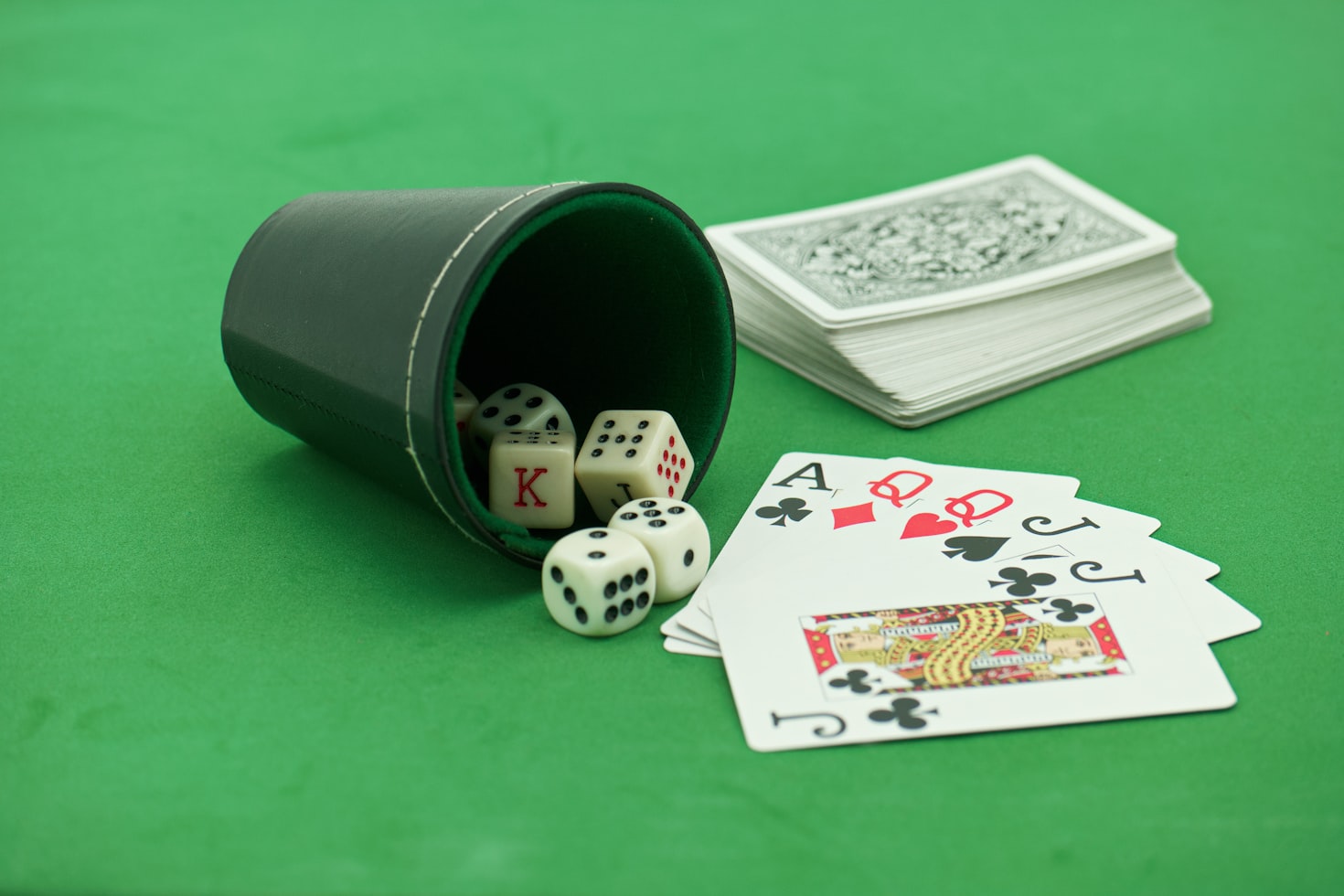
Interestingly, various strategies often embrace elements of luck as part of their theories. For example, progressive betting systems, where players increase their stakes after wins, operate on the premise that good luck will eventually come their way. While these strategies may seem logical, players must remember that luck is not guaranteed to be on their side. This inherent uncertainty means that even the most carefully crafted strategies can be undermined by bad luck.
Ultimately, successful gambling requires a nuanced understanding of how luck influences strategies. Players who can accept the randomness of their circumstances may find greater satisfaction, even in instances where their strategies do not yield the desired results. By honoring the role of luck while also crafting informed strategies, gamblers can create a more balanced and enjoyable gaming experience.
Your Gateway to Responsible Gambling
For those looking to embrace the thrill of gambling while managing the uncertainties associated with luck, finding reliable resources is essential. Responsible gambling websites provide valuable information and tools to help players navigate their gambling journey with awareness and control. These platforms often offer guidelines on setting limits, recognizing warning signs of problem gambling, and understanding the intricacies of luck and strategy.
Moreover, many responsible gambling resources also provide access to educational materials that delve into the psychology of luck and its impact on gameplay. By understanding how luck can influence outcomes, players can establish more responsible gambling habits that balance risk and enjoyment. These insights can empower gamblers to make informed decisions, leading to a more fulfilling gambling experience.
In a world where luck plays a pivotal role in gambling, embracing responsible practices becomes vital. By engaging with trustworthy resources and educating oneself about the nuances of luck, players can cultivate a healthier relationship with gambling. This approach not only enhances individual experiences but also fosters a supportive gambling community that values responsibility and enjoyment above all.